What is Safer, an Electric Bike or a Scooter?
In today's fast-paced world, personal electric vehicles are becoming increasingly popular as convenient and eco-friendly modes of transportation. Among the most sought-after options are electric bikes (e-bikes) and electric scooters. Both offer unique advantages, but when it comes to safety, which one comes out on top? In this blog, we'll delve into the safety aspects of both electric bikes and scooters, examining their design, stability, visibility, speed, and practical tips for safe riding. By the end, you'll have a clearer understanding of which vehicle might be the safer choice for you.
Electric Bike vs Scooter: Design, Stability, and Balance
Electric Bikes:
E-bikes are designed to resemble traditional bicycles but with the added benefit of an electric motor. They come in various styles, including mountain, road, and hybrid bikes. E-bikes typically have larger wheels and a more robust frame, which provides better stability. The weight distribution is generally even, thanks to the positioning of the motor and battery, usually located near the center of the bike. This even balance explains why many riders feel that e-bikes are safer than e-scooters when it comes to handling bumps or uneven pavement.
Electric Scooters:
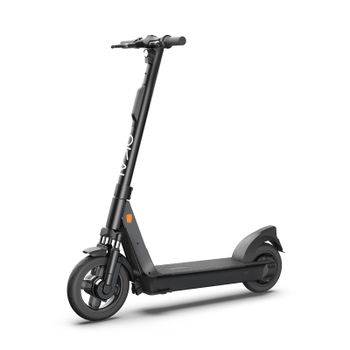
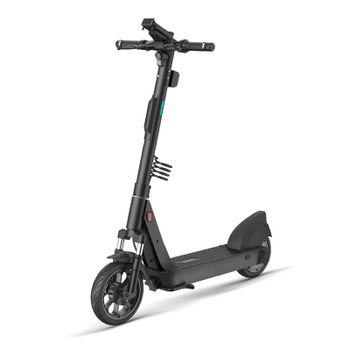
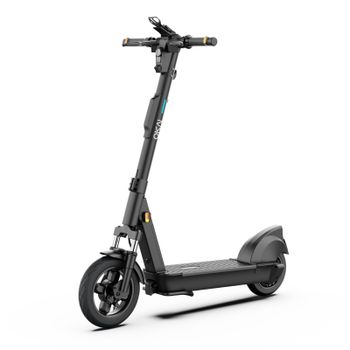
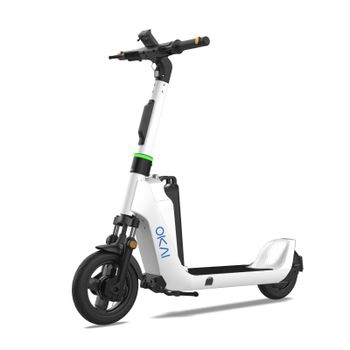
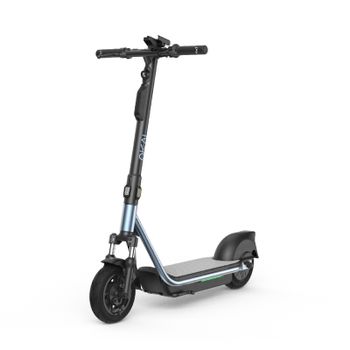
Electric scooters, on the other hand, have a more compact and lightweight design. They typically feature smaller wheels and a standing platform. The rider's balance plays a significant role in the stability of a scooter. The handlebar height and the narrow base can sometimes make scooters feel less stable, especially on uneven terrain or at higher speeds. For more details on safety precautions and riding tips for electric scooters, check out: Are Electric Scooters Safe? What Every New Rider Should Know.
Riding Experience: Electric Bikes Compared to Scooters
Electric Bikes:
Riding an e-bike is similar to riding a regular bicycle, with the added advantage of electric assistance. This makes it easier to maintain balance, especially at lower speeds. The seated position also provides a stable and comfortable ride, reducing the risk of falls. Additionally, e-bikes offer better control through handlebars and brakes, enhancing overall safety.
Electric Scooters:
Electric scooters require the rider to stand, which can affect balance, especially for beginners. The smaller wheels can struggle with rough surfaces, potholes, and debris, potentially causing accidents. However, scooters are generally easier to maneuver in tight spaces and can be more convenient for short commutes or last-mile transportation.
Electric Bike and Scooter Visibility for Safer Riding
Electric Bikes:
E-bikes generally have a higher profile than scooters, making riders more visible to other road users. Many e-bikes come equipped with built-in lights, reflectors, and sometimes even integrated horn systems. The ability to sit higher also gives riders a better view of their surroundings, allowing them to anticipate potential hazards more effectively.
Electric Scooters:
Scooters have a lower profile, which can make them less visible to drivers, especially in heavy traffic. While many scooters come with lights and reflectors, their lower height can still pose a visibility issue. Riders need to be extra cautious and may need to rely more on additional safety gear like reflective clothing and helmets.
Speed and Control: Comparing E-Bikes and E-Scooters
Electric Bikes:
E-bikes generally offer a smoother and more controlled ride. They come with multiple gears and electric assistance levels, allowing riders to adjust their speed according to the terrain and traffic conditions. The braking systems on e-bikes are often more advanced, providing better stopping power and control.
Electric Scooters:
Electric scooters can be surprisingly fast, with some models reaching speeds of up to 25 mph or more. However, the smaller wheels and standing position can make it challenging to control at higher speeds. Scooters typically have a simple braking system, which may not be as effective as the ones found on e-bikes, especially in emergency situations.
Risk of Accidents
Accident rates are a crucial indicator of safety, and both e-bikes and e-scooters have been involved in accidents. However, the nature of these accidents can vary significantly between the two types of vehicles.
Electric Bikes:
E-bike accidents are often caused by the rider losing control at high speeds or failing to account for road conditions. Since e-bikes are usually faster and heavier than e-scooters, they can cause more serious injuries in the event of a crash. However, the added stability from the seated position and larger wheels helps mitigate some of these risks. Studies suggest that e-bike riders are also more likely to wear helmets compared to scooter riders, which reduces the severity of head injuries.
Electric Scooters:
Scooter accidents tend to be more frequent than e-bike accidents, primarily due to the scooter's smaller size, reduced stability, and the rider’s standing position. Many scooter accidents occur due to riders losing balance while attempting to navigate obstacles like potholes or curbs. E-scooters are also prone to sudden braking accidents since the rider has no physical connection to the ground (as in an e-bike’s pedals), making it easier to lose control. Riders of e-scooters are less likely to wear helmets compared to e-bike riders, which increases the risk of injury.
Environmental and External Factors
The environment you’re riding in can greatly affect your safety. Factors like road conditions, traffic, and weather can play a significant role in determining the risk level.
Electric Bikes:
E-bikes are better suited for a variety of terrains, from smooth city roads to bumpy trails. The larger wheels and better suspension systems allow for more stable rides in different environments. However, e-bikes can still be dangerous if ridden recklessly, particularly in heavy traffic or during bad weather.
Electric Scooters:
Scooters are primarily designed for smooth urban roads and may struggle when it comes to rough terrains. The small wheels and limited suspension can make riding on cracked pavement, gravel, or other uneven surfaces riskier. Scooters are also more prone to skidding or tipping over, especially when navigating slippery conditions.
Safety Tips for Riding Electric Bikes and Scooters
Regardless of whether you choose an e-bike or a scooter, safety should always be a top priority. Here are some practical tips to ensure a safe and enjoyable ride:
Wear Protective Gear: Always wear a helmet, knee pads, and elbow pads. Reflective clothing and gloves can also enhance your safety.
Regular Maintenance: Regularly check your vehicle for any mechanical issues. Ensure the brakes, tires, and lights are in good working condition.
Follow Traffic Rules: Obey all traffic signals and signs. Use hand signals when turning, and always ride in designated bike lanes or paths when available.
Stay Visible: Use lights and reflectors, especially when riding at night or in low-light conditions. Make eye contact with drivers to ensure they see you.
Ride Defensively: Be aware of your surroundings and anticipate potential hazards. Keep a safe distance from other vehicles and avoid sudden movements.
Practice Balance and Control: Spend time practicing your balance and control, especially if you’re new to riding an e-bike or scooter. Familiarize yourself with the controls and braking system.
Avoid Distractions: Stay focused on the road. Avoid using headphones or your phone while riding.
Bike vs. Scooter Safety Tips at a Glance
- E-bikes usually provide better stability and braking power, lowering accident risk.
- Scooters are lighter and more agile, but require careful balance on uneven roads.
- Both need protective gear and regular maintenance for maximum safety.
These quick pointers help you decide which ride fits your comfort level and safety priorities.
FAQ
Are e-scooters or e-bikes safer?
Electric bikes are generally considered safer than electric scooters due to their larger wheels, more stable frame, seated riding position, and better braking systems. E-scooters are lighter and more agile, but their smaller wheels and standing position make them less stable, especially on uneven surfaces. Both can be safe if proper precautions are taken, such as wearing protective gear and riding responsibly.
Is it better to get an electric scooter or electric bike?
Choosing between an electric scooter and an electric bike depends on your riding needs. E-bikes are ideal for longer distances, varied terrain, and riders seeking stability and comfort. Scooters are convenient for short commutes and tight urban spaces. Consider factors like your experience, the terrain, and the distance you plan to ride before deciding.
What are the risks of electric bikes?
Electric bikes can pose risks if riders go too fast, ignore road conditions, or fail to wear protective gear. Accidents often occur from losing control at high speeds or navigating uneven surfaces. However, the stability of e-bikes, along with proper helmet use, helps reduce the severity of injuries compared to scooters.
What are the risks of e-scooters?
Electric scooters have a higher risk of accidents due to their smaller wheels, standing riding position, and reduced stability on rough terrain. Riders can lose balance when navigating potholes, curbs, or slippery surfaces. Additionally, scooter riders are generally less likely to wear helmets, which increases the potential for injury.
Which type of bike is safest?
Electric bikes are generally the safest option among personal electric vehicles because of their stable frame, larger wheels, seated position, and effective braking systems. They offer better visibility and control, making them suitable for most riders. However, safety ultimately depends on following traffic rules, wearing protective gear, and riding according to your skill level and the environment.
Conclusion
When it comes to choosing between an electric bike and an e-scooter, safety is a crucial consideration. Electric bikes generally offer better stability, control, and visibility, making them a safer option for many riders. However, electric scooters can be a convenient and practical choice for short distances and urban commuting, provided that riders take extra precautions to enhance their safety. Ultimately, the safer option depends on your specific needs, riding experience, and the environment in which you plan to ride. By following the practical tips outlined above and making informed decisions, you can enjoy a safe and enjoyable ride, whether you choose an e-bike or a scooter.
Looking for reliable personal electric vehicles for your business or fleet? Explore OKAI, a global B2B leader in smart mobility solutions, offering advanced electric bikes and electric scooters designed with enterprise-grade safety features for riders worldwide.


