
Что вам больше подходит: электровелосипед или скутер?
В современном быстро меняющемся мире такие средства передвижения, как электровелосипеды и электросамокаты, стали настоящим прорывом. Независимо от того, ездите ли вы по городу, катаетесь для удовольствия или любите активный отдых на природе, эти два вида транспорта обеспечивают эффективный, экологичный и увлекательный способ передвижения. Но когда дело доходит до выбора между электровелосипедом и электросамокатом, выбор может показаться немного сложным. У обоих есть свои уникальные особенности, преимущества и ограничения, так как же узнать, какой из них лучше всего подходит именно вам?
В этой статье мы рассмотрим различия между электровелосипедами и электросамокатами, углубимся в их уникальные преимущества и поможем вам решить, какой из них больше подходит для вашего образа жизни.
Что такое электровелосипед?
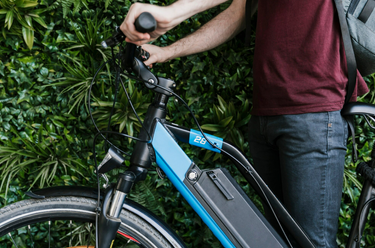
Электровелосипед, часто называемый электровелосипедом, по сути, представляет собой велосипед со встроенным электродвигателем, который помогает крутить педали. В отличие от традиционных велосипедов, электровелосипеды оснащены двигателем, работающим от батареи, который обеспечивает дополнительный крутящий момент, облегчая езду, особенно на подъемах или на большие расстояния. Эти велосипеды идеально подходят для велосипедистов, которые любят кататься на велосипеде, но хотят немного помощи, будь то для снижения физических усилий или преодоления больших расстояний.
Что такое электросамокат?
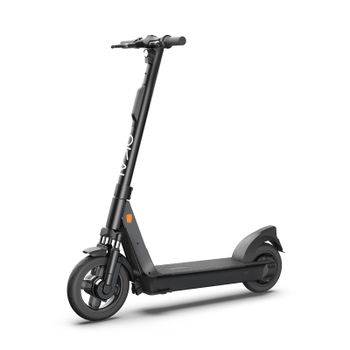
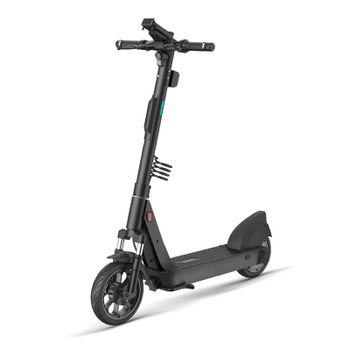
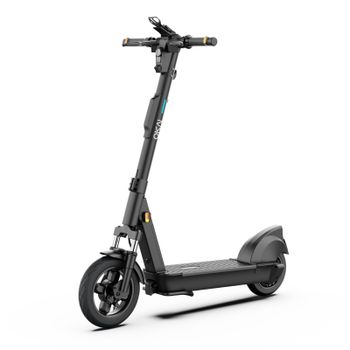
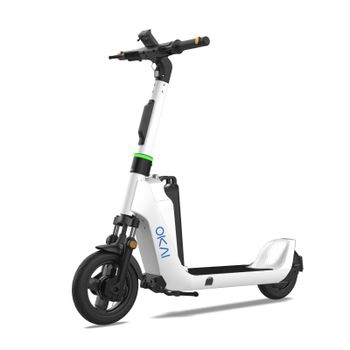
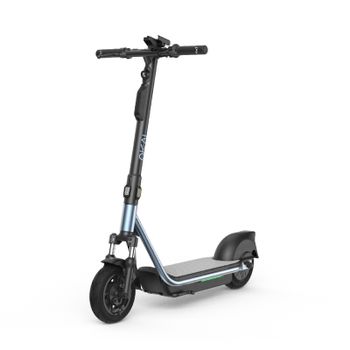
С другой стороны, электросамокат — это небольшое двухколесное транспортное средство, приводимое в движение исключительно электродвигателем. В отличие от электровелосипедов, электросамокаты не требуют вращения педалей — водитель просто стоит на платформе и использует газ для ускорения. Самокаты компактны, легки и предназначены в первую очередь для коротких поездок по городу. Их часто используют для быстрых поездок по городу или для передвижения на «последней миле», что делает их практичным решением для занятых городских жителей.
The Ключевые различия Между электровелосипедами и электросамокатами
Прежде чем мы перейдем к конкретным деталям и определим, какой вариант может вам больше подойти, давайте сначала рассмотрим некоторые ключевые различия между электровелосипедами и электросамокатами.
<р>1. <р>Дальность действия и время работы от батареи
Что касается дальности хода, электровелосипеды, как правило, имеют преимущество. Благодаря большим батареям, электровелосипеды могут преодолевать большие расстояния на одном заряде. В зависимости от модели и местности, электровелосипед может проехать от 30 до 70 миль на одном заряде, что делает его идеальным для длительных поездок на работу или приключений на природе.
Однако у электросамокатов, как правило, меньший запас хода. Большинство электросамокатов могут проехать от 10 до 30 миль на одном заряде, чего все еще достаточно для коротких поездок, но не так удобно для более дальних путешествий. Если ваша ежедневная поездка на работу составляет менее 10 миль, электросамокат может быть лучшим выбором. Однако для более дальних расстояний более практичным будет электровелосипед.
<р>2. <р>Скорость и мощность
В плане скорости электровелосипеды и скутеры схожи: большинство моделей развивают скорость от 15 до 20 миль в час. Однако электровелосипеды, как правило, обладают большим крутящим моментом, что позволяет им эффективнее преодолевать подъемы. Электромотор помогает поддерживать постоянную скорость даже на сложном рельефе.
Электрические скутеры, напротив, обычно менее мощные. Хотя они обеспечивают приличную скорость для коротких поездок по городу, им может быть трудно преодолевать крутые подъемы или неровную местность. Их небольшие двигатели предназначены для ровных поверхностей, что делает их отличными для городских улиц и велосипедных дорожек, но менее подходящими для холмистой местности или бездорожья.
<р>3. <р>Адаптивность к рельефу местности
Электровелосипеды более универсальны с точки зрения адаптации к различным типам местности. Большинство электровелосипедов оснащены передачами и способны преодолевать самые разные поверхности, включая гравийные дорожки, грунтовые дороги и холмистую местность. Это делает их идеальными для тех, кто любит ездить по разным типам местности или отправляться в длительные поездки, например, на выходные или в походы на природу.
С другой стороны, электросамокаты лучше всего подходят для городских условий с ровными дорогами. Хотя существуют и внедорожные электросамокаты, большинство стандартных моделей предназначены для поездок по городу и могут испытывать трудности на неровных или шероховатых поверхностях.
<р>4. <р>Размер и портативность
Электросамокаты обладают явным преимуществом в плане мобильности. Благодаря своим небольшим размерам и легкому весу, их можно сложить и легко хранить в небольших помещениях, таких как квартиры, офисы или общественный транспорт. Это делает их идеальными для людей, которым нужен быстрый и удобный способ передвижения на короткие расстояния.
Электровелосипеды, хотя и не слишком тяжелые, как правило, более громоздкие, чем скутеры. Хотя некоторые электровелосипеды складываются, они все равно больше по размеру и могут потребовать больше места для хранения. Если портативность и удобство являются для вас приоритетами, то электроскутер будет более подходящим вариантом.
<р>5. <р>Опыт верховой езды
Электровелосипеды обеспечивают более традиционный опыт езды, поскольку позволяют крутить педали и заниматься спортом, а двигатель помогает только при необходимости. Это означает, что если вам нравится ощущение езды на велосипеде, но вам нужна небольшая помощь на крутых подъемах или длинных участках, электровелосипед — это отличный выбор.
В отличие от этого, езда на электросамокате больше похожа на езду стоя, как на традиционном самокате. Вам не нужно крутить педали, и ощущения больше сосредоточены на балансе и ускорении. Это может больше понравиться тем, кто хочет простой и легкий способ передвижения, не требующий физических усилий.
Что вам больше подходит?
Теперь, когда мы рассмотрели основные различия, давайте подумаем, какой вариант может больше подойти вам, исходя из ваших потребностей и предпочтений.
<р>1. <р>Для тех, кто ездит на работу в город:
Если вы живете в городе, где нужно быстро добираться до работы, и вам нужен удобный, компактный и простой в хранении вариант, то электросамокат, вероятно, станет для вас лучшим выбором. Его легкая конструкция, портативность и простота использования делают его отличным вариантом для передвижения по городским улицам, избегания пробок и быстрого перемещения из пункта А в пункт Б.
<р>2. <р>Для тех, кто ездит на работу на дальние расстояния:
Если ваши ежедневные поездки на работу занимают много времени или включают в себя различную местность, электровелосипед — лучший выбор. Функция помощи при педалировании обеспечивает дополнительный комфорт на длительных поездках, а способность велосипеда преодолевать различные типы местности позволяет вам исследовать более широкий спектр маршрутов. Кроме того, электровелосипеды, как правило, имеют больший запас хода и большую мощность для преодоления холмов или неровных поверхностей.
<р>3. <р>Для любителей активного отдыха на природе:
Если вы любите исследовать парки, тропы или заповедники, электровелосипед — это лучший выбор. Благодаря своей способности преодолевать бездорожье и оказывать помощь во время длительных поездок, он идеально подходит для путешествий на природе. Вы можете наслаждаться пейзажами, при этом используя помощь двигателя для облегчения поездки.
<р>4. <р>Для быстрых, неспешных поездок:
Для тех, кому нужен быстрый, удобный и простой способ передвижения по городу для коротких поездок по делам или неспешных прогулок, электросамокат — это простое решение. Его портативность и скорость делают его идеальным для быстрых поездок в магазин, к друзьям или в местное кафе.
Рекомендация по продукту: Электроскутеры и электровелосипеды OKAI
Если вы все еще не определились и ищете качественные и надежные варианты, то Электросамокаты OKAI и электромобили ВелосипедыВозможно, это именно то, что вам нужно. OKAI предлагает как электросамокаты, так и электровелосипеды, которые удовлетворят самые разные предпочтения в езде. Самокаты компактны, легки и идеально подходят для коротких поездок по городу, а электровелосипеды обеспечивают традиционный опыт езды с электроприводом, но с увеличенным запасом хода и возможностью адаптации к различным типам местности. Ищете ли вы удобство для передвижения по городу или готовый к приключениям электровелосипед, OKAI предложит вам первоклассный дизайн и передовые технологии.
Заключительные мысли
В конечном итоге, выбор между электровелосипедом и электросамокатом зависит от вашего образа жизни и конкретных потребностей. Если вам нужно что-то для коротких поездок по городу, электросамокат может стать идеальным выбором благодаря своей портативности и простоте использования. Однако, если вы ищете более универсальный вариант с большим запасом хода, способный преодолевать различные типы местности, электровелосипед может подойти лучше.
Электровелосипеды и электросамокаты — это прекрасная альтернатива традиционным видам транспорта, предлагающая экологичные, эффективные и приятные способы передвижения. Не торопитесь, оцените свои потребности, учтите такие факторы, как запас хода, скорость и рельеф местности, и выберите вариант, который лучше всего подходит для ваших повседневных дел. Приятных поездок!

Телефон: 1-800-660-3498
Электронная почта:
nihao@okai.co
(для бизнеса)
b2bsupport@okai.co
(для технической поддержки)
Авторские права © 2023 OKAI. Все права защищены.